Kathmandu, 4 September 2026: Nepal Association of the Blind (NAB) and Parents Federation of Persons with Intellectual Disabilities (PFPID) jointly conducted a monitoring visit to assess the impact of the recent flash floods on affected communities, with particular attention to persons with disabilities and other groups facing heightened barriers during emergencies on 3rd and 4th September 2026, covering directly affected communities and temporary holding centers in Nuwakot district, as well as Yellow Gumba and Mustang Gumba in Kathmandu, where people affected by the disaster were receiving temporary shelter and support.
The joint monitoring team conducted direct field observations and held discussions with ward representatives, local residents, teachers, displaced people, holding-center representatives, and other local stakeholders. The assessment focused on the situation of persons with disabilities, missing-person information, access to food and water, electricity, sanitation, healthcare, psychosocial support, education, and accessibility.
In addition to the locations directly visited, NAB also collected information concerning Dhading and Rasuwa from survivors, local representatives, and other sources. This information is presented separately from the team’s direct field observations.
Disaster impacts extend beyond damaged homes:
One of the key observations from the visit was that the impact of the flash flood extends beyond households whose homes have been directly damaged or swept away.
In Bidur Municipality Ward No. 10, Nuwakot, 12 persons with disabilities were identified or reported affected, and two people were reported missing. According to the ward’s records, 69 persons with disabilities live in the ward. Families whose homes remained standing were also experiencing significant difficulties because electricity, food, drinking water, roads, and local markets had been disrupted.
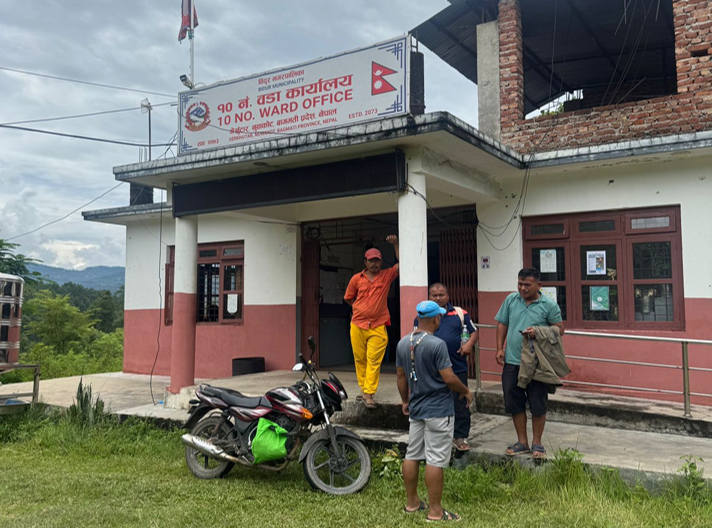
The team visited Bethel A.G. Church, which was being used as a temporary holding center. According to the church representative, no person with a disability had been identified among those staying at the center at the time of the visit. Despite damaged roads and disruption of the local market, the church was supporting households with approximately 20–30 kg of rice and three liters of cooking oil per household.
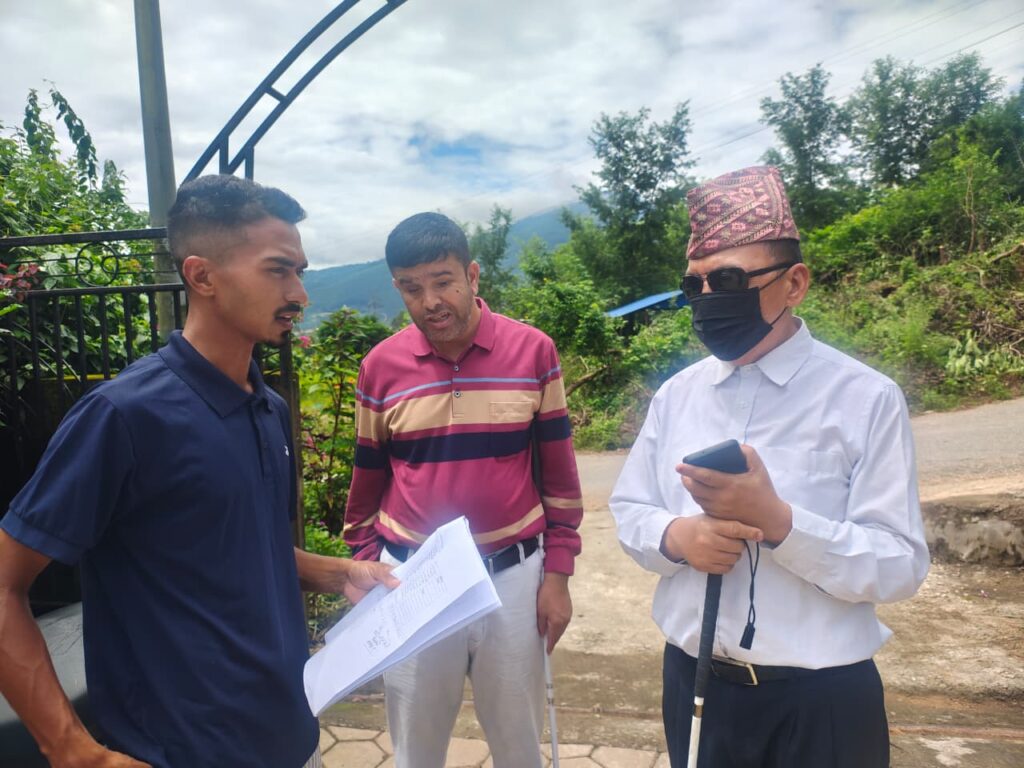
Betrawati was identified as one of the severely affected small urban areas. Information collected from local sources indicated that approximately 187 households/houses were damaged, with many reportedly swept away by the flood. Local accounts further suggested that only around 10% of the population in the affected area survived, although this figure requires further verification. Among the affected population, two blind women, two deaf persons, and one child with an intellectual disability were reported missing.
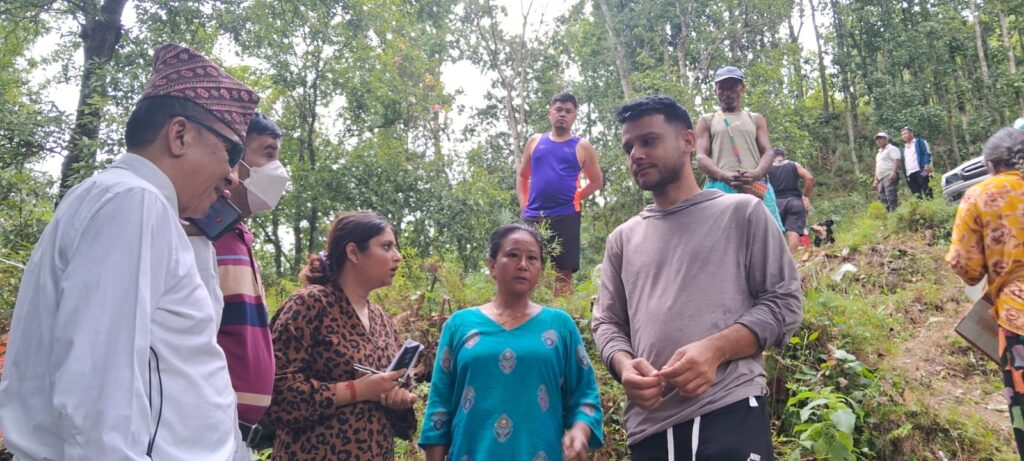
The holding center in Betrawati was established to provide temporary shelter and support to affected communities, with the tents at the holding center supported by China Aid. However, significant gaps remained in essential services and facilities. The center lacked adequate sanitation facilities, sufficient medicines, and a dedicated medical doctor, while survivors with health conditions, including high blood pressure, were identified. Access to drinking water was also inadequate, and the absence of lighting at night created additional safety and protection challenges for survivors.
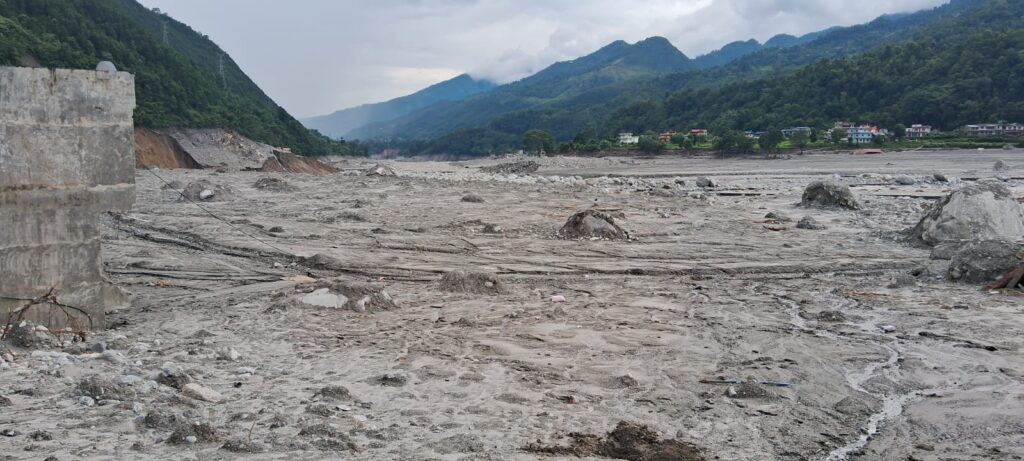
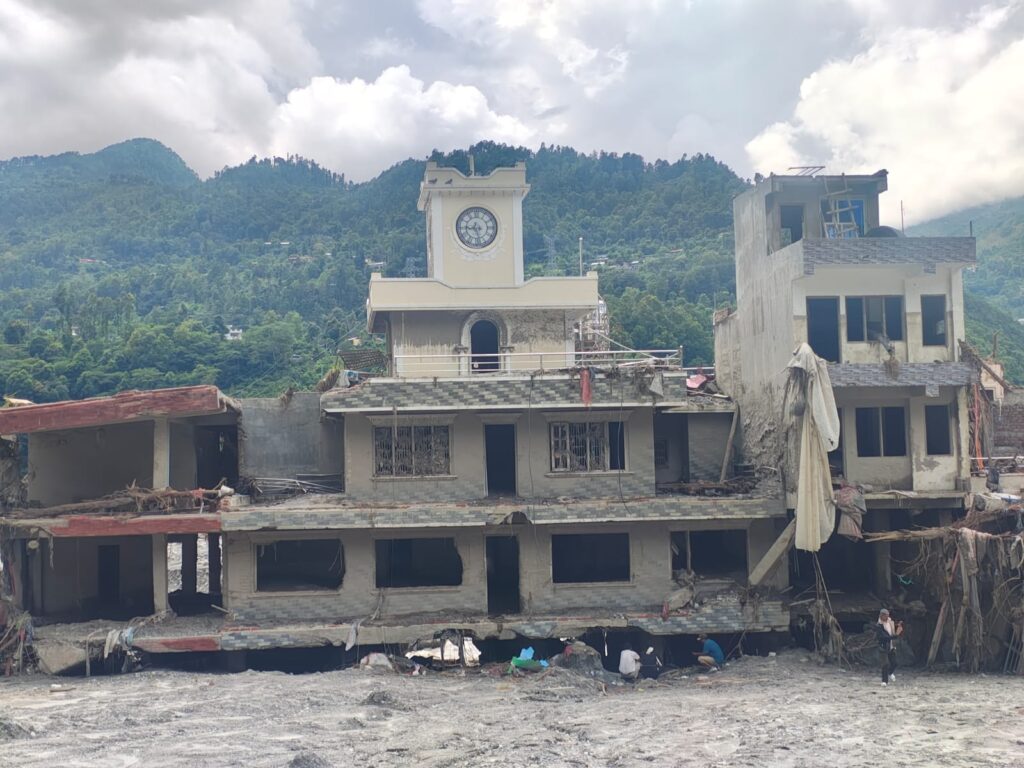
At Sundari Keurini Secondary School, which was also being used as a holding centre, two persons with physical disabilities were identified among the affected population. Because the centre was unable to provide appropriate care and support for them, both individuals were subsequently moved to relatives’ homes. This reflects the need for temporary shelters to consider individual support requirements rather than treating all displaced people as having the same needs.
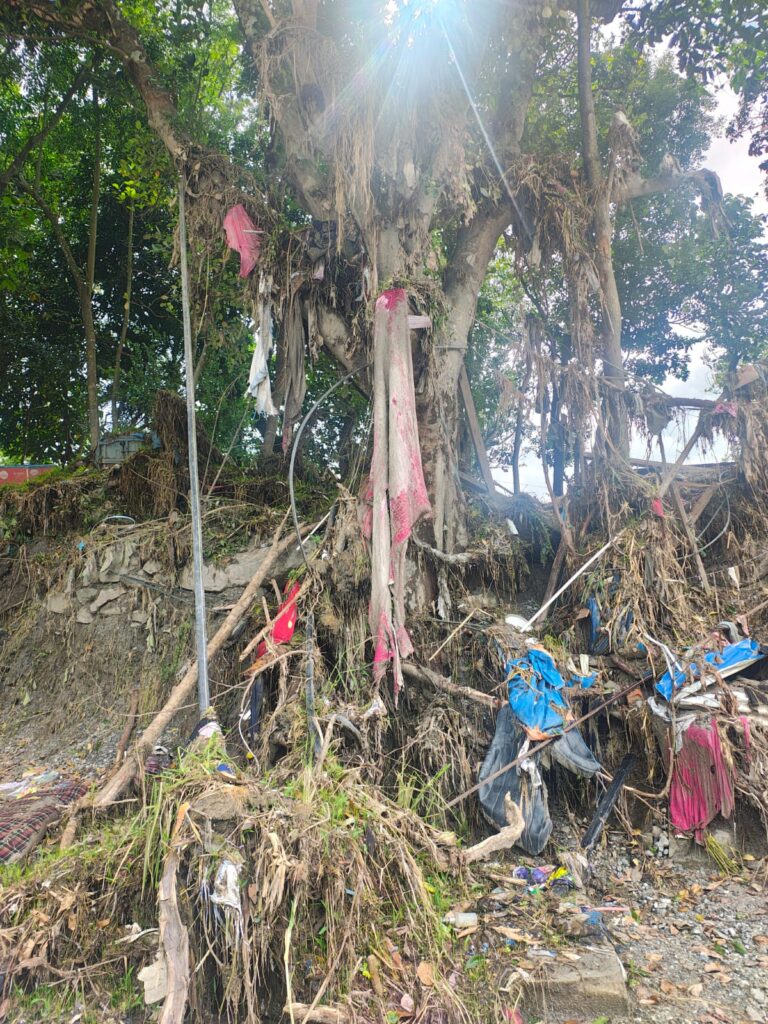
The situation in Kathmandu’s temporary relief centres showed both the availability of support and continuing accessibility gaps. At Yellow Gumba, the shelter area was reported to be relatively spacious, with separate toilets for men and women. However, the toilets were not wheelchair accessible and were reported to have poor hygiene and unpleasant odour. An older woman with total blindness, a person with a physical disability, and a person with an intellectual disability were reported at the centre. Medical services and medicines were available, with approximately three to four doctors reportedly providing support, and psychosocial counselling was also available.
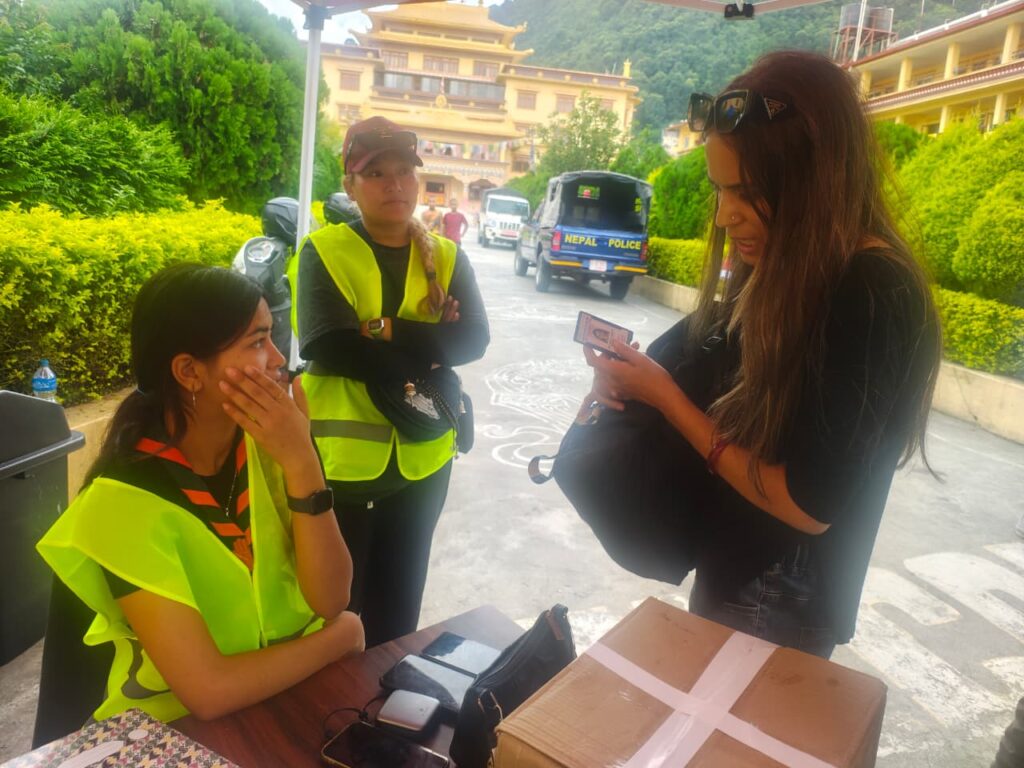
At Mustang Gumba, two persons with visual disabilities and one person with an intellectual disability were reported. Psychosocial support needs were also reported among people staying at the centre. Counselling and therapy support was reportedly being provided with involvement from Tilganga Institute and a police hospital. However, continuous access to a dedicated medical team remained a gap.
Information from Dhading and Rasuwa highlights wider disability-related concerns:
Although Dhading and Rasuwa were not directly monitored during this visit, information collected through the monitoring process provides additional insight into the wider impact of the disaster on persons with disabilities.
In Benighat Rorang, Dhading, several persons with visual disabilities were reported to be facing shortages of basic food and daily living skills materials. In Gajuri and Galchii, persons with physical and hearing disabilities were reported among households whose homes and livelihood assets had been damaged.
Information received from Rasuwa included reports concerning persons with visual and physical disabilities, including reports of missing persons. Information from Syabrubesi also indicated that persons with visual, physical, and intellectual disabilities had been rescued and accommodated at Yellow Gumba.
Similarly, information collected from Timmure indicated that persons with visual, intellectual, and psychosocial disabilities had been rescued and accommodated at Mustang Gumba.
These reports require appropriate verification and follow-up with local authorities and relevant response actors, particularly where they concern missing persons.
Disaggregated data:
| SN | Sex | Address | Disability Types / Severity | Remarks | Source From |
| 1 | Female | Benighat Rorang, Dhading | Visually Impaired | Crisis of basic food / Daily Living Skills (DLS) materials | NAB field office |
| 2 | Male | Benighat Rorang, Dhading | Visually Impaired | Crisis of basic food / DLS materials | NAB field office |
| 3 | Male | Benighat Rorang, Dhading | Visually Impaired | Crisis of basic food / DLS materials | NAB field office |
| 4 | Male | Benighat Rorang, Dhading | Visually Impaired | Crisis of basic food / DLS materials | NAB field office |
| 5 | Male | Benighat Rorang, Dhading | Visually Impaired | Crisis of basic food / DLS materials | NAB field office |
| 6 | Male | Gajuri, Dhading | Physical Disability | Home with grocery shop damaged | NAB field office |
| 7 | Male | Gajuri, Dhading | Physical Disability | Home with grocery shop damaged | NAB field office |
| 8 | Female | Galchii, Dhading | Physical Disability | Damaged home | NAB field office |
| 9 | Male | Gajuri, Dhading | Deaf | Damaged home | NAB field office |
| 10 | Female | Rasuwa | Visually Impaired | Survivor | NAB field office |
| 11 | Male | Rasuwa | Physical Disability | Missing | NAB direct visit |
| 12 | Unidentified | Rasuwa | Physical Disability | Missing | NAB: from Survivor |
| 13 | Unidentified | Rasuwa | Physical Disability | Missing | NAB: from Survivor |
| 14 | Unidentified | Trishuli, Nuwakot | Visually Impaired | Missing | NAB: from Survivor |
| 15 | Male | Bidur Municipality, Ward 10: Betrawati | Profound Disability | Missing | Bidur Municipality, Ward 10 |
| 16 | Female | Bidur Municipality, Ward 10: Bhaise | Severe Disability | Affected | Bidur Municipality, Ward 10 |
| 17 | Male | Bidur Municipality, Ward 10: Bhaise | Severe Disability | Affected | Bidur Municipality, Ward 10 |
| 18 | Unidentified | Bidur Municipality, Ward 10: Bhaise | Severe Disability | Affected | Bidur Municipality, Ward 10 |
| 20 | Female | Bidur Municipality, Ward 10 | Severe Disability | Affected | Bidur Municipality, Ward 10 |
| 21 | Unidentified | Bidur Municipality, Ward 10: Mahabhir | Severe Disability | Missing | Bidur Municipality, Ward 10 |
| 22 | Unidentified | Bidur Municipality, Ward 10: Aagitaar | Severe Disability | Affected | Bidur Municipality, Ward 10 |
| 23 | Male | Bidur Municipality, Ward 10 | Severe Disability | Affected | Bidur Municipality, Ward 10 |
| 24 | Unidentified | Bidur Municipality, Ward 10 | Severe Disability | Affected | Bidur Municipality, Ward 10 |
| 25 | Unidentified | Betrawati | Severe Disability | Affected | Bidur Municipality, Ward 10 |
| 26 | Unidentified | Bhaise | Severe Disability | Affected | Bidur Municipality, Ward 10 |
| 27 | Unidentified | Bhaise | Severe Disability | Affected | Bidur Municipality, Ward 10 |
| 28 | Unidentified | Betrawati | Severe Disability | Affected | Bidur Municipality, Ward 10 |
| 29 | Unidentified | Aagitaar | Severe Disability | Affected | Bidur Municipality, Ward 10 |
| 30 | Female (55 yrs) | Betrawati | Deaf | Affected | Bidur Municipality, Ward 10 |
| 31 | Female (60 years) | Betrawati | Deaf | Affected | Bidur Municipality, Ward 10 |
| 32 | Female above 60 yrs | Betrawati | Blind | Affected | Bidur Municipality, Ward 10 |
| 33 | Female above 60 yrs | Betrawati | Blind | Affected | Bidur Municipality, Ward 10 |
| 34 | Female above 50 yrs | Syoprobesi | Blind | Affected (Rescued in Yellow Gumba) | Volunteer from Yellow Gumba |
| 35 | Unidentified | Syoprobesi | Physical | Affected (Rescued in Yellow Gumba) | Volunteer from Yellow Gumba |
| 36 | Unidentified | Syprobesi | Intellectual | Affected (Rescued in Yellow Gumba) | Volunteer from Yellow Gumba |
| 37 | Female (55 yrs) | Timmure | Blind | Affected (Rescued in Mustang Gumba) | Representative from: Mustang Gumba |
| 38 | Male (65 yrs) | Timmure | Blind | Affected (Rescued in Mustang Gumba) | Representative from: Mustang Gumba |
| 39 | Female | Timmure | Psychosocial | Affected (Rescued in Mustang Gumba) | Representative from: Mustang Gumba |
| 40 | Female | Timmure | Psychosocial | Affected (Rescued in Mustang Gumba) | Representative from: Mustang Gumba |
| 41 | Male | Timmure | Intellectual | Affected (Rescued in Mustang Gumba) | Representative from: Mustang Gumba |
Missing persons require urgent verification
The joint monitoring process received reports of missing persons with disabilities from affected areas.
In Nuwakot, missing-person information was collected through discussions with local representatives and community members. Information received from Rasuwa also included reports involving persons with disabilities.
These reports highlight the importance of maintaining disability-disaggregated missing-person records and ensuring that information is systematically verified with ward offices, local governments and relevant response actors.
NAB and PFPID will continue to support the documentation and follow-up of such information while maintaining confidentiality and protecting the dignity of affected individuals.
Children face a growing education challenge
The disaster has also created significant concerns regarding children’s safety, wellbeing and continuity of education.
Approximately 150 children were reported to have been affected according to information collected during the monitoring process. Information received during the visit also indicated that some children may have lost one or both parents. However, the figures provided were inconsistent and therefore require verification before being presented as official statistics.
Nine children were also reported to be associated with Marshyangdi School.
Managers of holding centres highlighted the need to support affected children to continue their education, including through school placement, school fees and learning materials.
For children who have been displaced or have lost one or both parents, maintaining access to education is particularly important for restoring stability and protecting their long-term well-being.
Communities are responding despite significant challenges
The joint monitoring visit also documented examples of community-led response.
Bethel A.G. Church is providing food assistance to affected households despite damaged roads and disruption of local markets. Holding centers are being used to provide temporary shelter and organize support for displaced and affected people.
Medical, counselling, psychosocial, and rescue support were also observed or reported at the relief centers visited.
Community members, teachers, and local representatives are actively sharing information about affected households, missing persons, and service gaps. Their efforts demonstrate the importance of community networks and local participation during emergencies.
From monitoring to action:
The joint monitoring visit has helped identify disability-specific needs that may otherwise remain less visible within the wider humanitarian response.
Based on the findings and information collected, several priority areas for follow-up has been identified:
- Verify missing-person information, including information concerning persons with disabilities.
- Establish and maintain disability-disaggregated tracking of affected and missing persons.
- Lobbying Priorities:
- Ensure access to food, drinking water, electricity, lighting, and medicines in underserved areas.
- Strengthen regular medical outreach and medicine availability.
- Ensure accessible toilets and facilities in temporary holding centers.
- Support continuity of education through school placement, fees, and learning materials.
- Ensure continued psychosocial support for survivors, children, and affected families.
- Address disability-specific needs, including daily living skills materials and other essential support.
Based on the identified priorities, NAB has taken the following actions so far:
- Continuing to collect real-time data and information from the field through the NAB network and other OPD networks.
- Advocated with the Ministry of Home Affairs and initiated collaboration with NDRRMA to improve access to disaster-related information for blind and partially sighted persons, including through the recruitment of a blind volunteer with relevant technical expertise.
- Announced vacancies for an Inclusive Humanitarian Lead and Enumerator as dedicated positions to strengthen work in the humanitarian sector.
Disability inclusion must be part of disaster response from the beginning:
The findings demonstrate that disaster impacts are not experienced equally. Persons with disabilities can face additional barriers in accessing information, evacuation, shelter, sanitation, healthcare, food, and other essential services.
Disability-inclusive disaster response requires more than providing general relief. It requires identifying persons with disabilities, ensuring accessible facilities and communication, maintaining disability-disaggregated information, addressing individual support needs and involving persons with disabilities and their representative organizations in decisions that affect their lives.
The flash floods have highlighted both the challenges faced by affected communities and the importance of local solidarity and community-led response. As response and recovery efforts continue, ensuring that persons with disabilities remain visible in assessments, included in decision-making, and able to access essential services will be critical to building a response that leaves no one behind.
DisabilityInclusion #InclusiveHumanitarianAction #DisasterResponse #DisasterRiskReduction #FlashFlood #FloodResponse #NepalFloods #HumanitarianResponse #PersonsWithDisabilities #DisabilityRights #InclusiveDisasterResponse #LeaveNoOneBehind #Accessibility #EmergencyResponse #HumanitarianAction #NABNepal #NepalAssociationOfTheBlind #CommunityLedResponse #DisabilityData #InclusiveRecovery #Nuwakot #Kathmandu #Dhading #Rasuwa